Which Electrical Systems Are Used for Uninterrupted Power on Yachts?
Uninterrupted power on yachts is of great importance for both comfort and safety. Navigation systems, communication devices, bilge pumps, lighting, refrigerators, air conditioning, kitchen equipment, and charging systems may require continuous and reliable energy. Therefore, the electrical system on yachts should be planned so that different power sources can work together.
Uninterrupted power on yachts is of great importance for both comfort and safety. Navigation systems, communication devices, bilge pumps, lighting, refrigerators, air conditioning, kitchen equipment, and charging systems may require continuous and reliable energy. Therefore, the electrical system on yachts should be planned so that different power sources can work together.
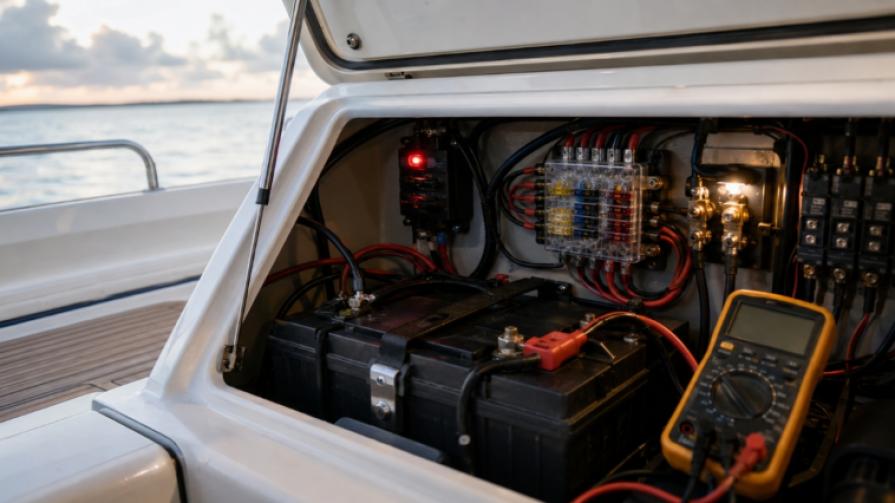
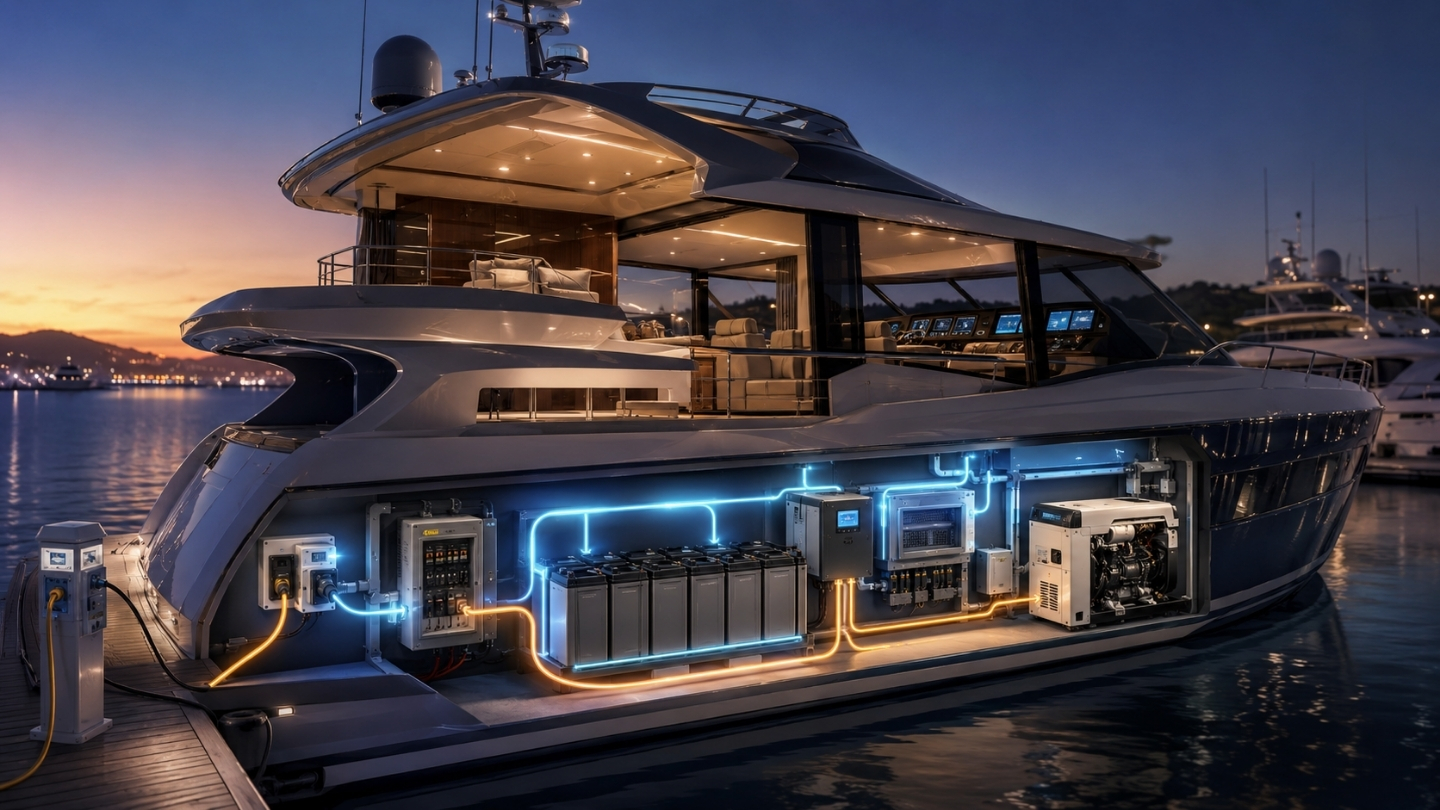
One of the most fundamental systems for uninterrupted power is the battery bank. Batteries enable the operation of equipment with low and medium power consumption. Service batteries meet a significant part of the daily energy needs on the yacht. However, battery capacity should be calculated correctly according to usage habits and device consumption.
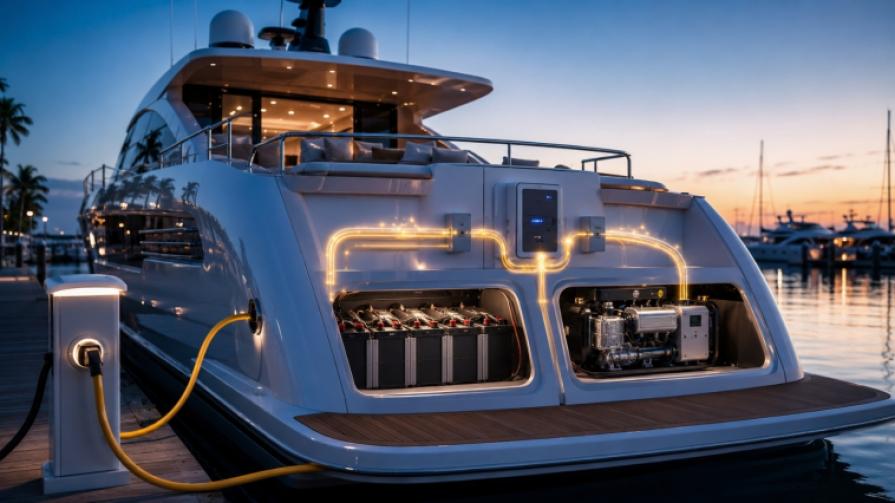
Generators come into operation on yachts when high power is required. Air conditioning systems, large kitchen equipment, watermakers, or intensive charging needs may make generator use necessary. A generator can also be used to charge batteries and supply AC systems. Therefore, choosing a generator with the correct capacity is an important step in uninterrupted power planning.
Inverters convert DC energy from batteries into AC energy, allowing devices that operate through sockets to be used. This makes it possible to use some devices without running the generator. However, inverter use is directly related to battery capacity. Therefore, inverter power and the battery bank should be planned together.
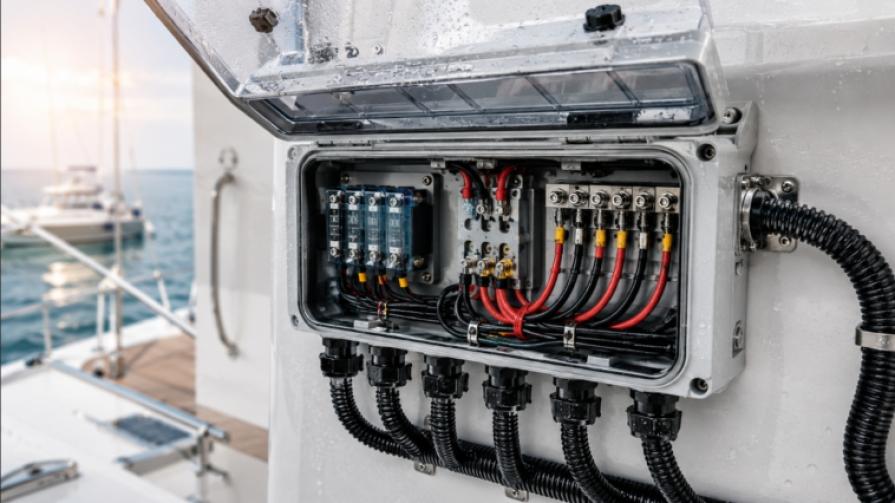
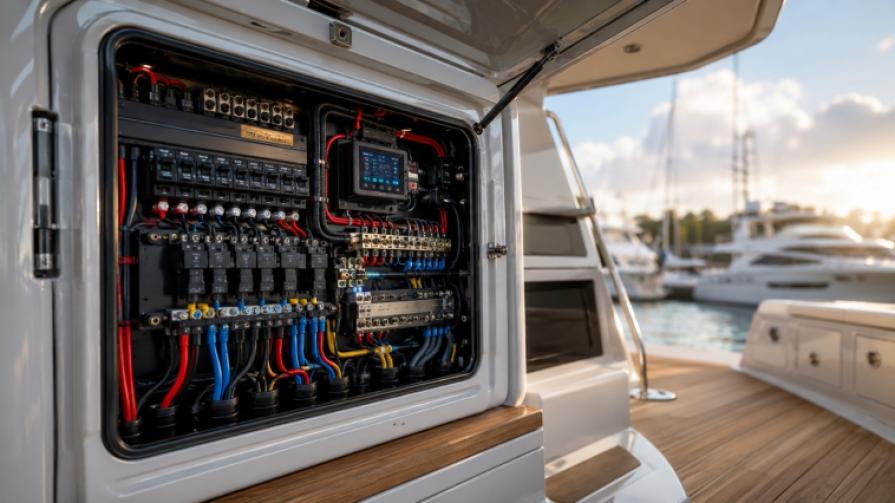
The shore power system is also an important part of the uninterrupted power infrastructure on yachts. Through marina connection, batteries can be charged, devices can be operated, and generator use can be reduced. For these systems to operate safely and efficiently, safety elements such as the electrical panel, circuit breakers, residual current protection, and proper grounding should be fully implemented.