What Is a Boat Electrical Panel? What You Need to Know About Marine Panel Systems
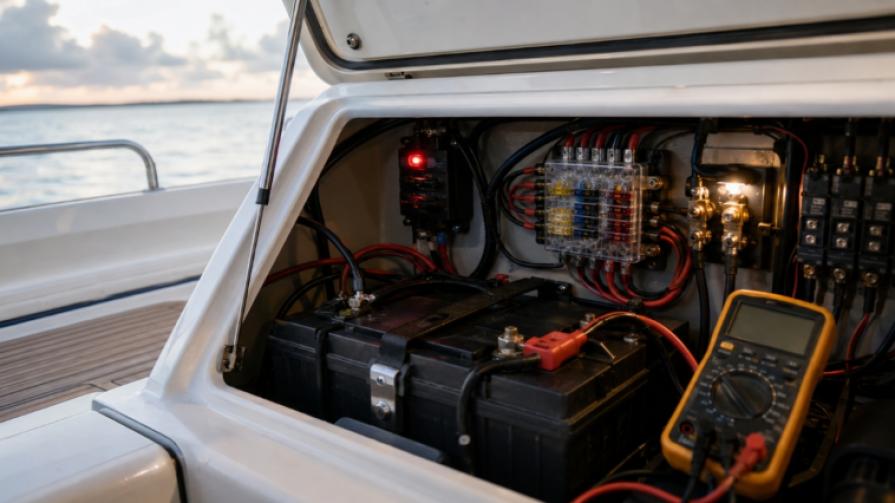
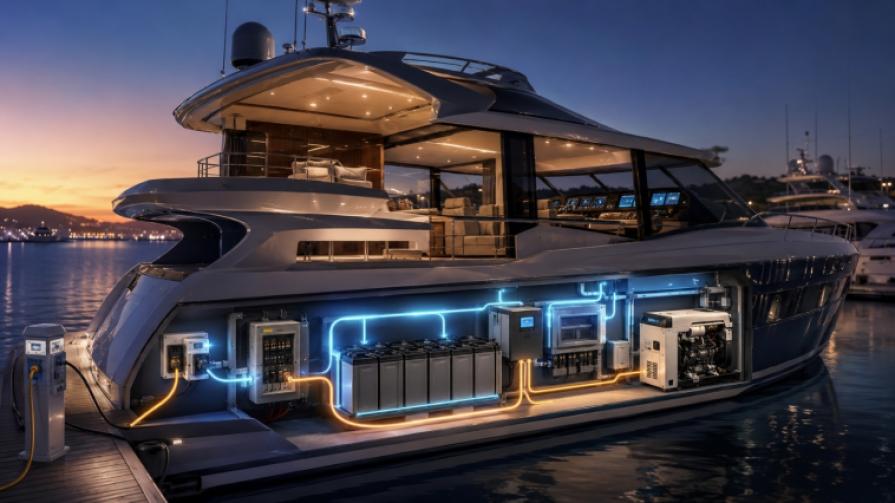
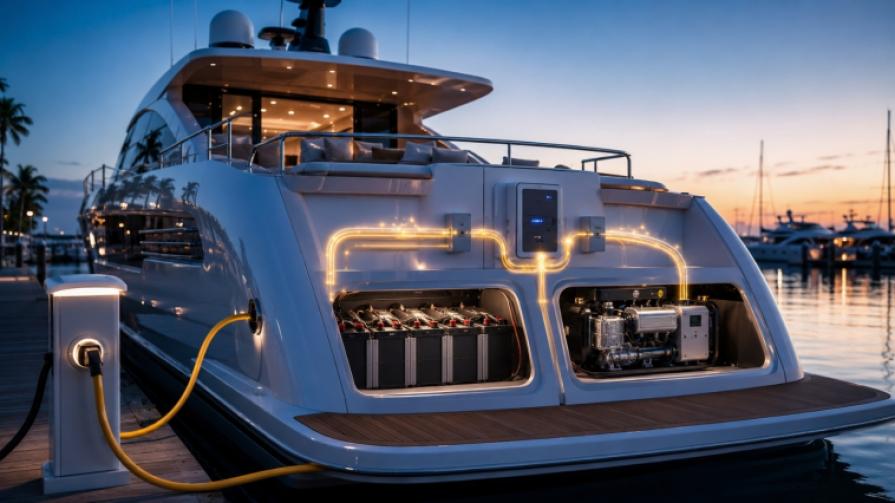
A boat electrical panel is the center where the electrical circuits on the boat are controlled, distributed, and protected. Many systems such as lighting, pumps, navigation devices, sockets, charging systems, inverters, generators, and shore power are managed through the panel. Therefore, the electrical panel is one of the key points of organization and safety in a boat’s electrical infrastructure.
A boat electrical panel is the center where the electrical circuits on the boat are controlled, distributed, and protected. Many systems such as lighting, pumps, navigation devices, sockets, charging systems, inverters, generators, and shore power are managed through the panel. Therefore, the electrical panel is one of the key points of organization and safety in a boat’s electrical infrastructure.
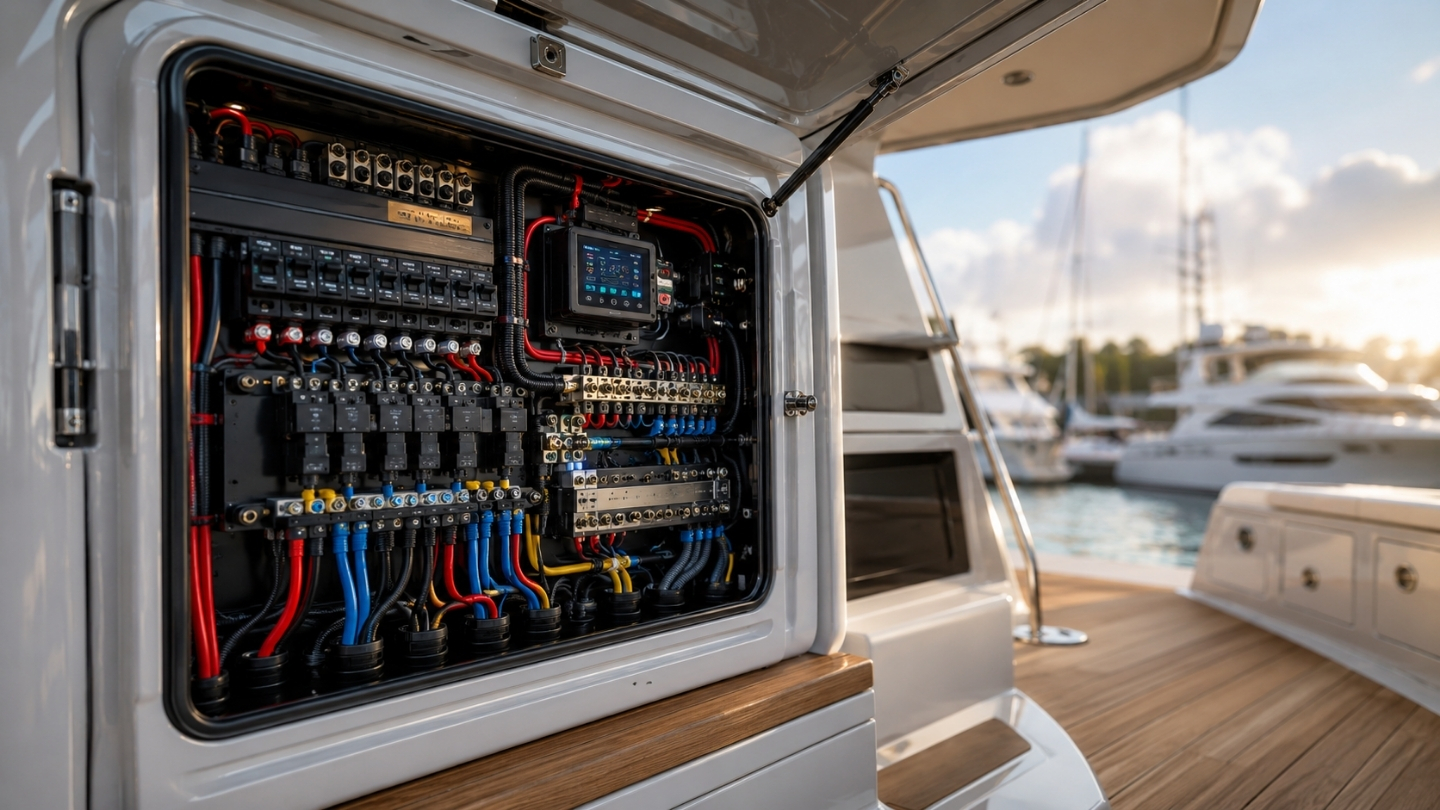
A well-designed marine panel system allows each circuit to be controlled separately. Thanks to this structure, the user can easily see which equipment is connected to which circuit. In case of a fault, quickly switching off the relevant circuit helps maintenance operations to be carried out more safely. A well-organized panel structure provides a great advantage, especially in electrical problems that may occur while at sea.
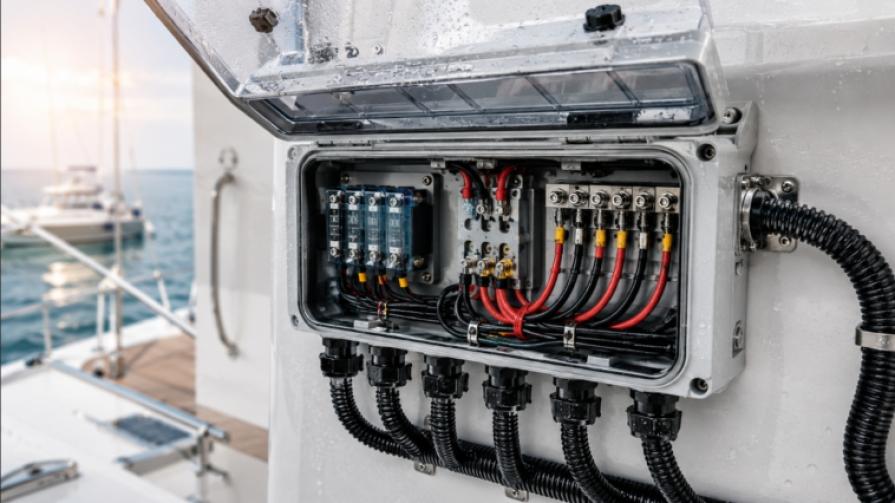
Unlike ordinary electrical panels, marine panels must be manufactured with materials suitable for the marine environment. Salty air, humidity, vibration, and temperature changes can affect the connections inside the panel over time. Therefore, the fuses, circuit breakers, terminals, cable entries, and body structure used in the panel should be resistant to marine conditions.
One of the most important issues in an electrical panel is organized wiring and proper labeling. Unlabeled, messy, or hard-to-access circuits make intervention difficult in case of a fault. What each circuit supplies should be clearly indicated, and fuses and circuit breakers should be selected with suitable ratings. In addition, unnecessary cable clutter should not be created inside the panel, and connections should be made safely and accessibly.
The boat electrical panel should be checked periodically. When loose connections, oxidized terminals, signs of overheating, or damaged cables are detected early, major failures can be prevented. A regularly maintained panel system increases the electrical safety of the boat and ensures that equipment operates for a longer service life.