How to Identify Boat Electrical Faults? Symptoms and Solution Suggestions
Boat electrical faults often show themselves through small symptoms. Lights being dimmer than usual, devices operating irregularly, fuses blowing frequently, batteries draining quickly, or heating at connection points may indicate a problem in the electrical system. If these symptoms are ignored, they can turn into more serious faults.
Boat electrical faults often show themselves through small symptoms. Lights being dimmer than usual, devices operating irregularly, fuses blowing frequently, batteries draining quickly, or heating at connection points may indicate a problem in the electrical system. If these symptoms are ignored, they can turn into more serious faults.
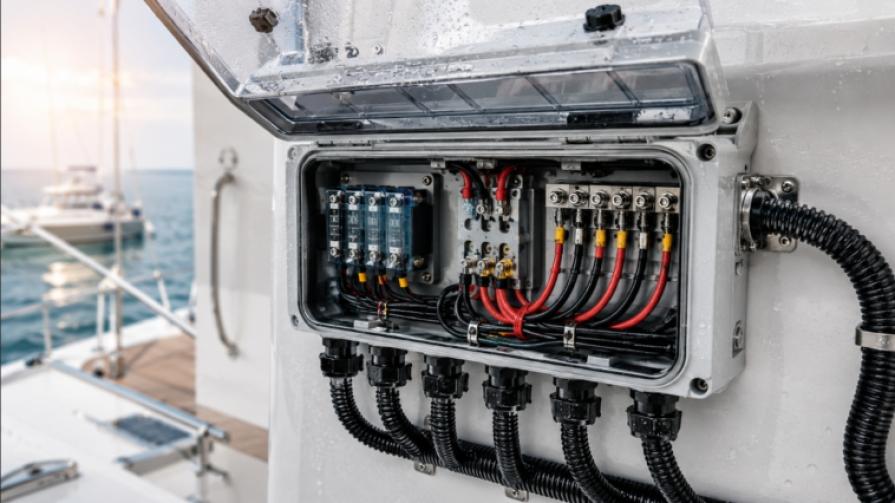
The most common causes of electrical faults include loose connections, insufficient cable cross-section, oxidized terminals, weakened batteries, incorrect fuse selection, and moisture-related problems. The marine environment can cause such issues to develop more quickly. Therefore, when signs of a fault are noticed, the system should not continue to be used randomly.
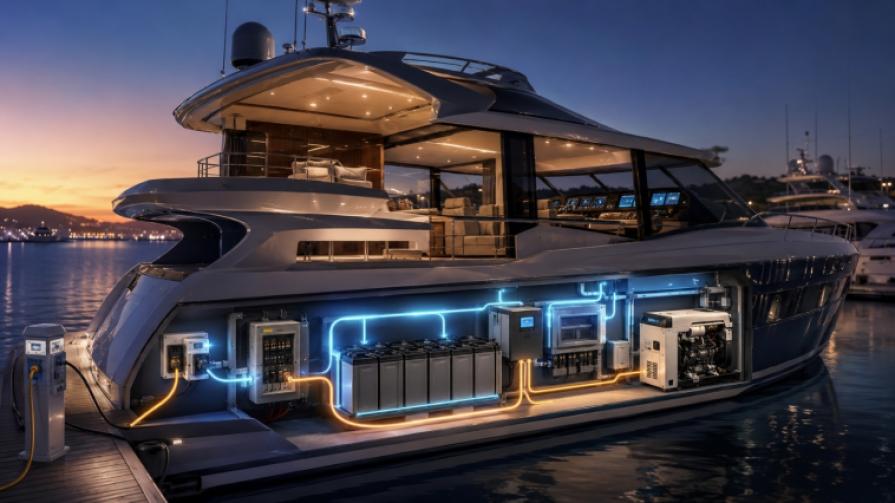
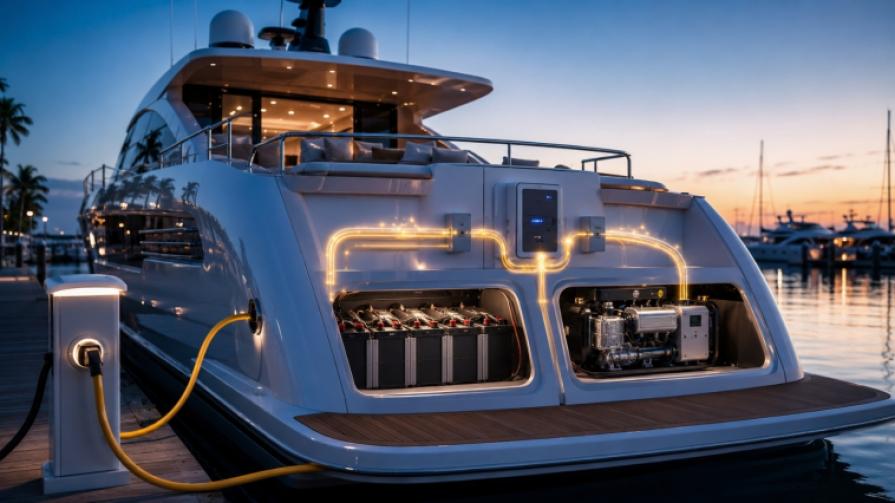
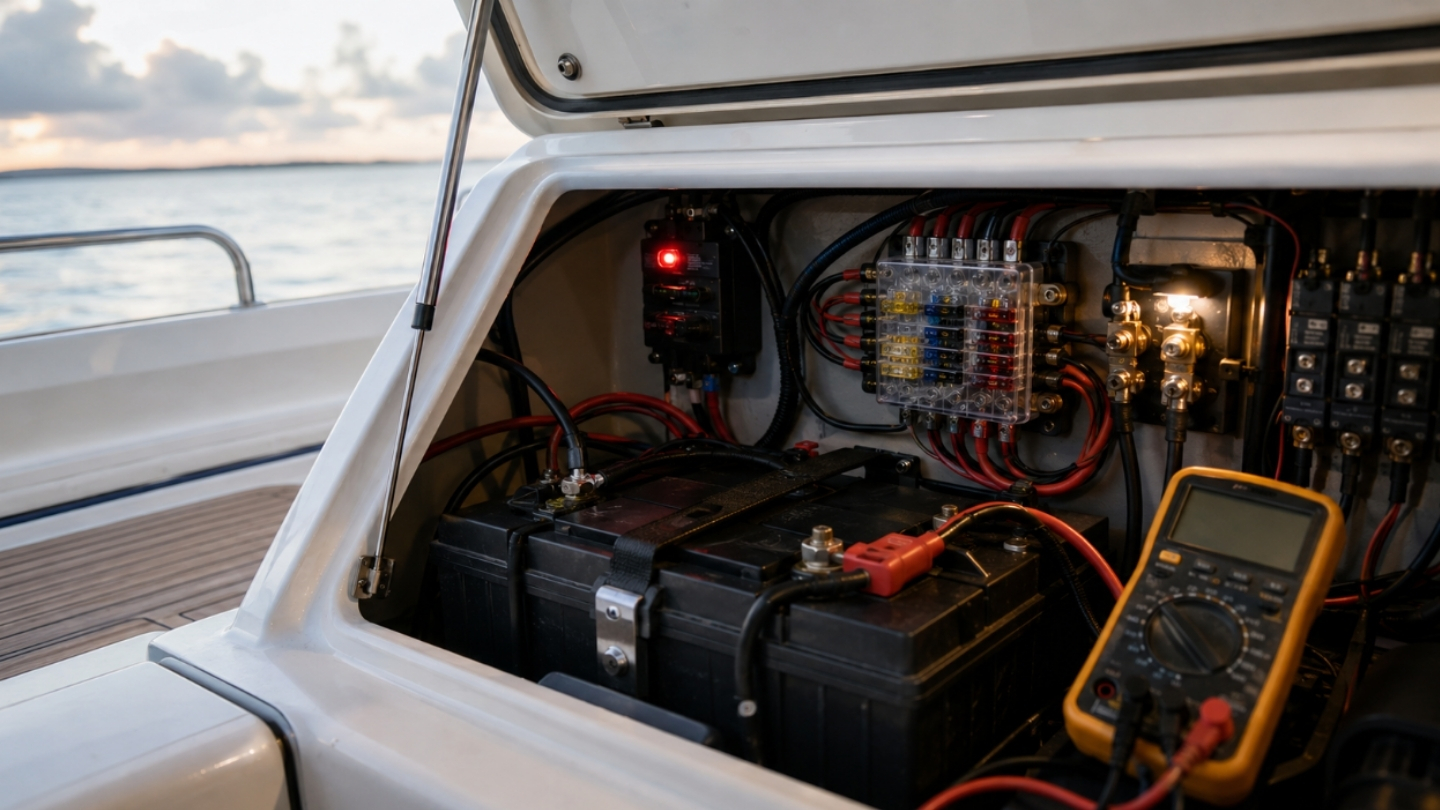
One of the first points to check is the battery system. Battery voltage, connection points, terminals, and charging status should be examined. If the battery cannot provide sufficient energy, many devices on the boat may operate irregularly. However, the problem may not only be caused by the battery; the charger, inverter, or connection line should also be checked.
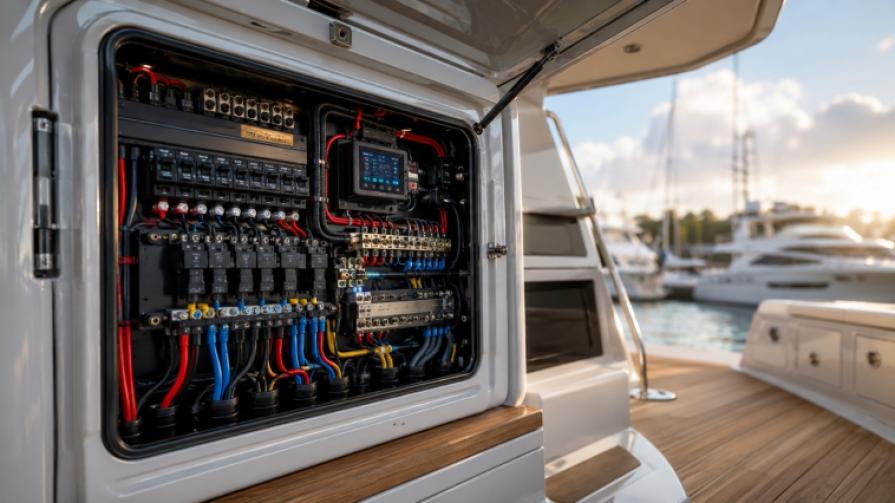
Fuses blowing frequently may indicate overload or a short circuit in the circuit. In such a case, simply replacing the fuse is not enough. The reason why the fuse has blown must be investigated. Using a fuse with an incorrect rating may create more serious safety risks instead of solving the problem.
Regular maintenance and accurate diagnosis are very important in boat electrical faults. Cables, panels, fuses, circuit breakers, shore power connections, and device inputs should be inspected in a controlled manner. Especially if there are signs such as a burning smell, cable overheating, or sparks, expert support should be obtained before using the system.