Electrical Safety in Marine Environments: Precautions Against Salt, Moisture, and Corrosion
The marine environment contains much more challenging conditions for electrical systems compared to land-based environments. Salty air, high humidity, vibration, temperature changes, and confined installation spaces directly affect the performance of electrical equipment. Therefore, electrical materials used on boats must be suitable for marine conditions.
The marine environment contains much more challenging conditions for electrical systems compared to land-based environments. Salty air, high humidity, vibration, temperature changes, and confined installation spaces directly affect the performance of electrical equipment. Therefore, electrical materials used on boats must be suitable for marine conditions.
Salt and moisture can cause oxidation and corrosion, especially at connection points. Oxidized terminals, loose connections, or worn cables negatively affect electrical flow. This may lead to irregular operation of devices, cable overheating, or more serious safety problems.
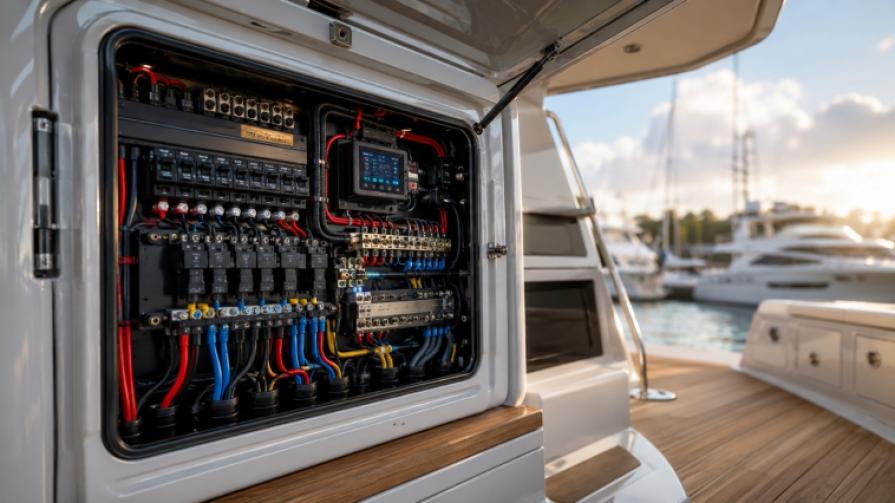
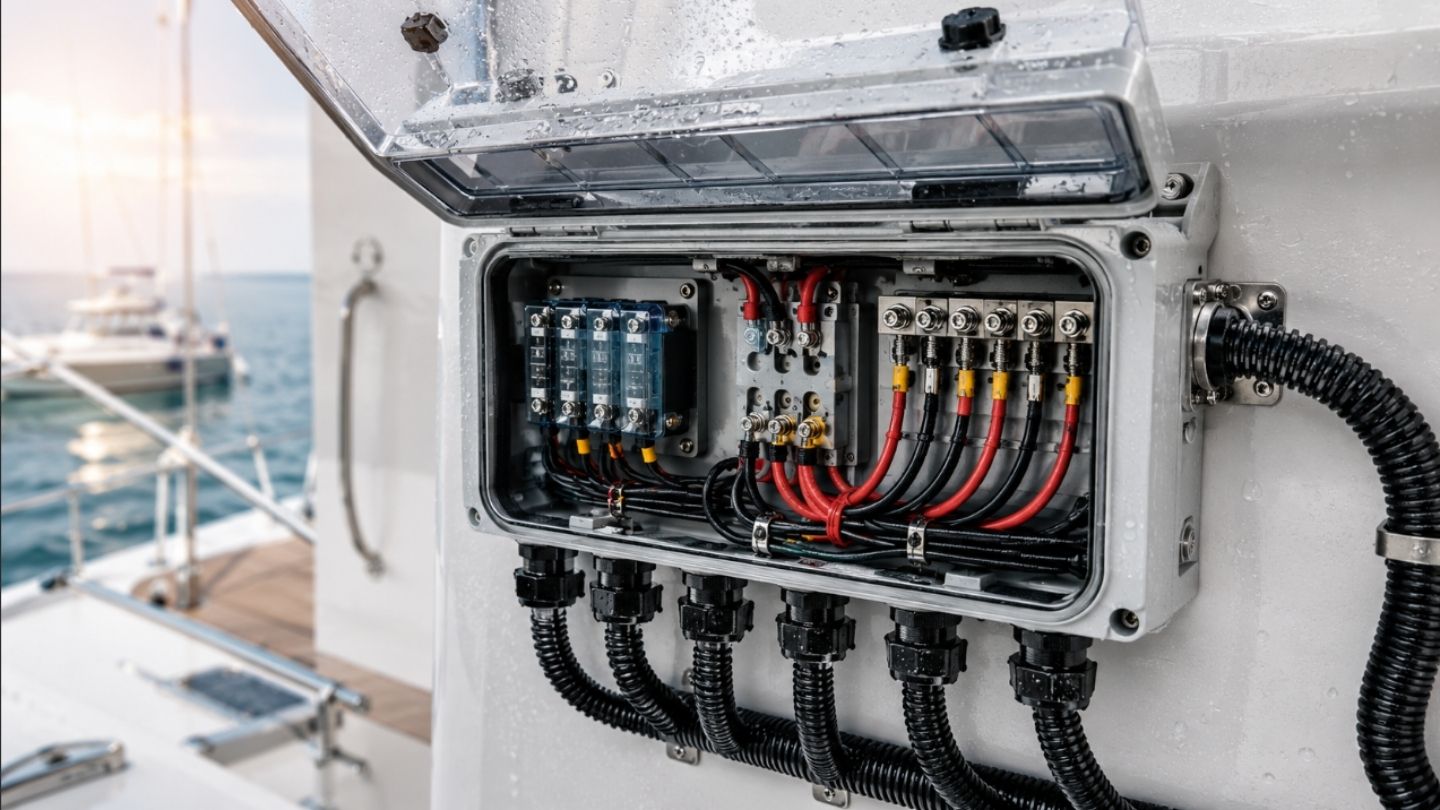
The first step for electrical safety is choosing the right materials. Cables, panels, connection components, fuse systems, and protection equipment suitable for marine use should be preferred. Although standard materials may seem to work in the short term, they can wear out faster in marine environments and create safety risks.
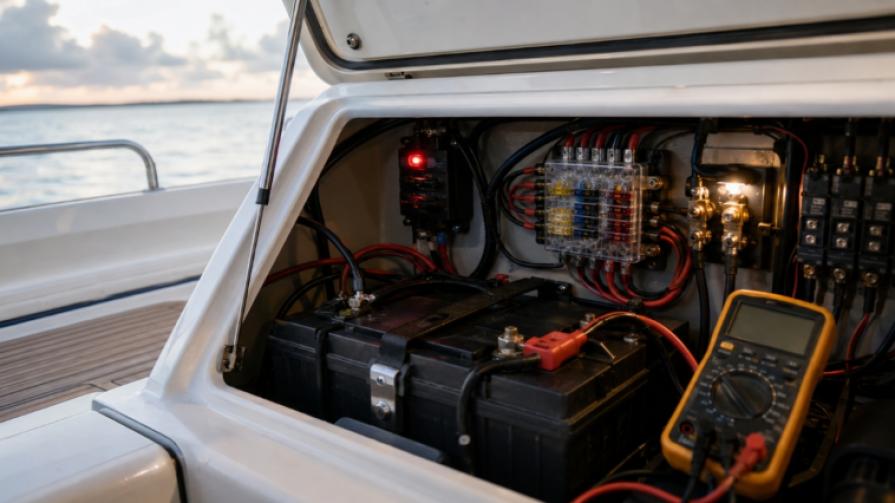
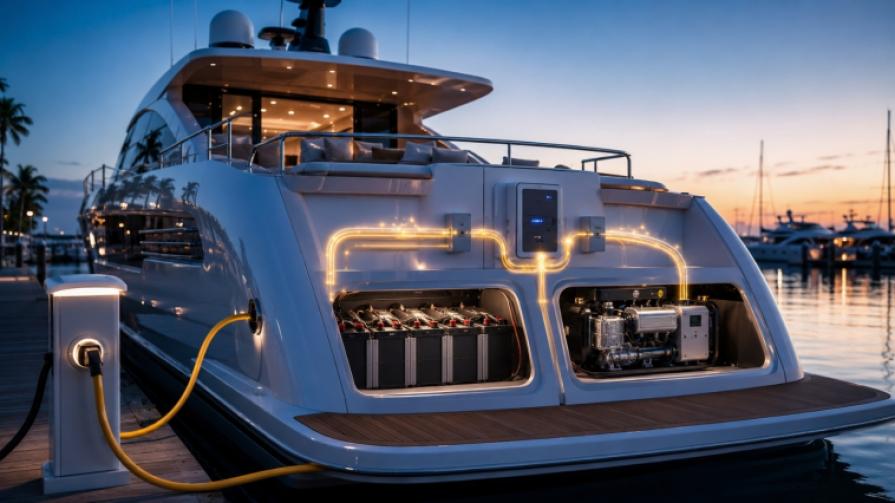
It is important to regularly check connection points against corrosion. Panel connections, battery terminals, shore power inlets, plugs, and sockets should be inspected at certain intervals. If there are any signs of discoloration, rust, looseness, or overheating, the system should be checked in detail.
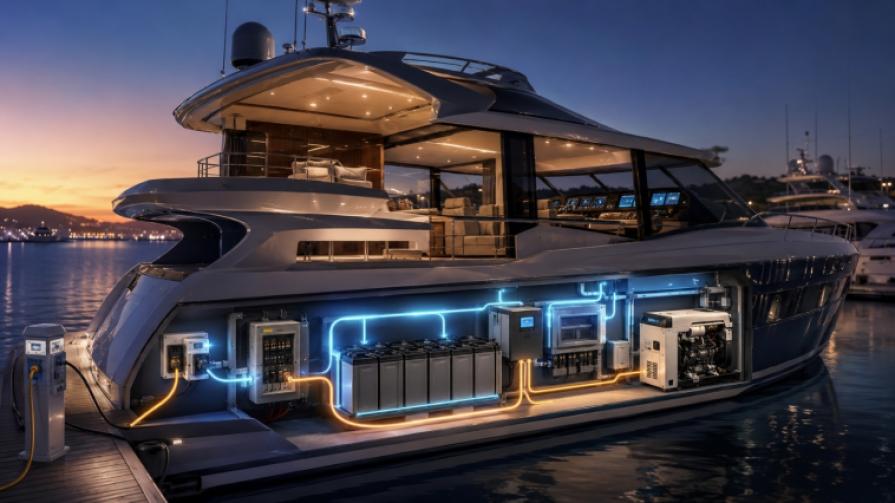
Marine electrical safety is not limited to equipment selection only. Proper wiring, suitable fuse use, residual current protection, grounding, and periodic maintenance should be evaluated as a whole. Thanks to these precautions, electrical devices are protected and safe use on the boat is ensured.