Energy Management on Boats: The Balance Between Generator, Battery, and Shore Power
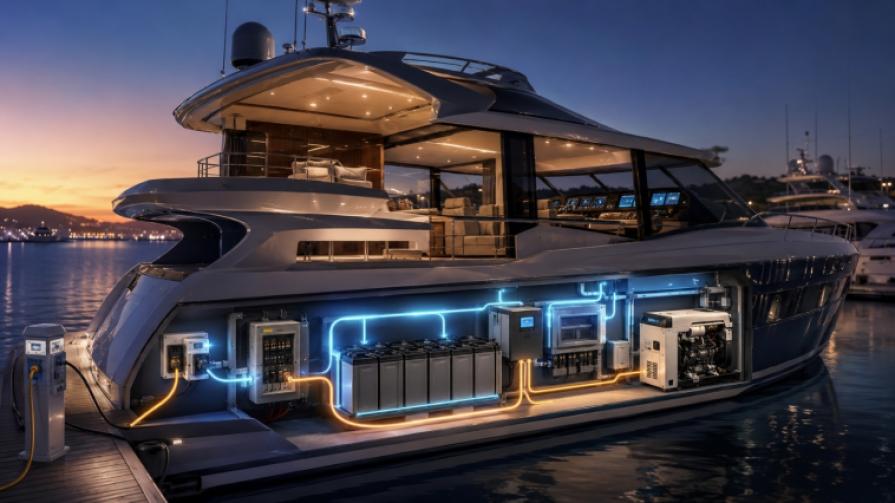
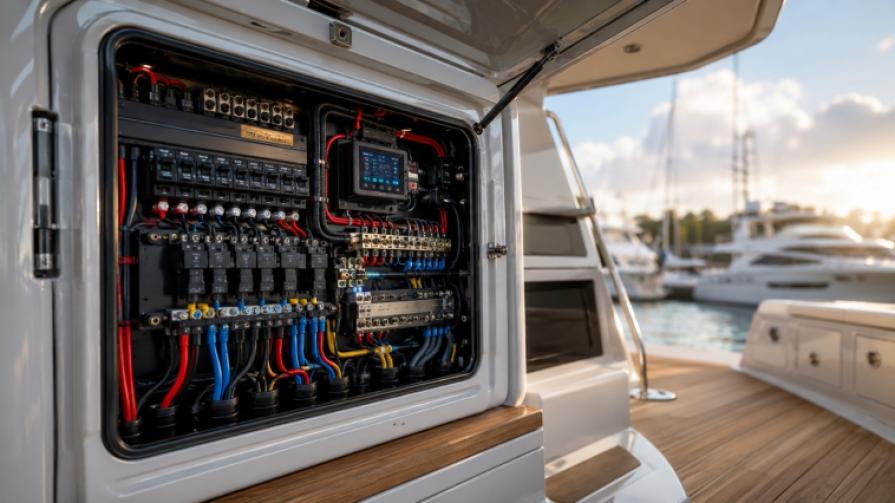
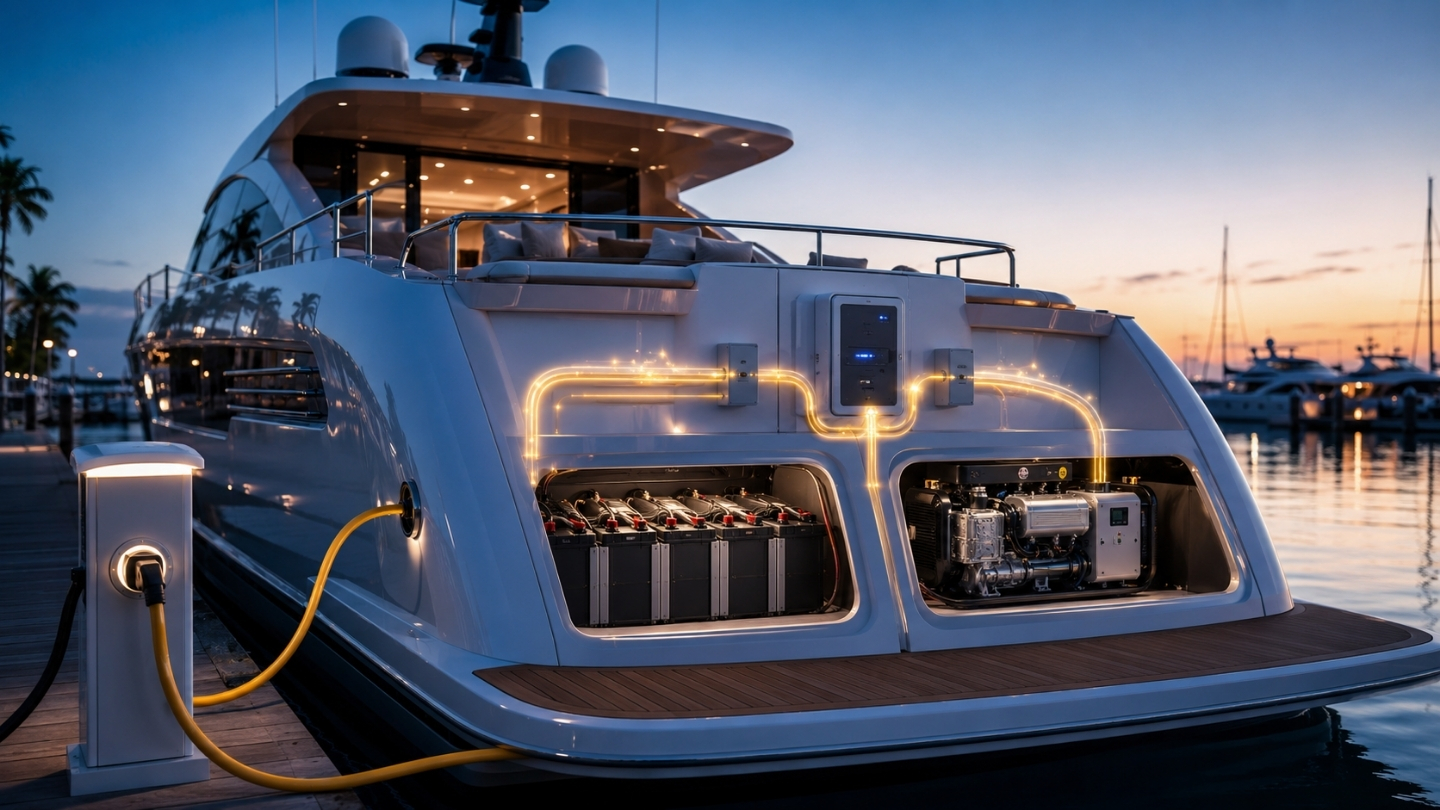
Energy management on boats refers to using different power sources at the right time and in the right way. On a boat, energy needs are not met from a single source only. Batteries, generators, shore power, inverters, and chargers work together to safely supply the electrical systems on the boat.
Energy management on boats refers to using different power sources at the right time and in the right way. On a boat, energy needs are not met from a single source only. Batteries, generators, shore power, inverters, and chargers work together to safely supply the electrical systems on the boat.
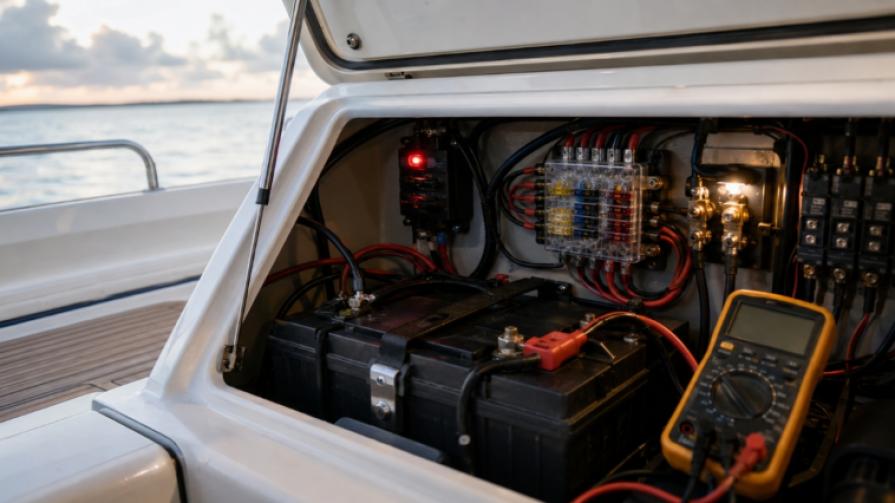
Batteries are the main energy storage units of a boat. Lighting, navigation devices, pumps, and some low-power equipment can operate through batteries. However, battery capacity is limited and can be drained quickly if used incorrectly. Therefore, batteries should be charged properly, protected against over-discharge, and energy consumption should be monitored.
A generator comes into operation especially when equipment requiring high power is used. Air conditioning, kitchen equipment, charging systems, or long-term energy needs may require generator use. However, running the generator continuously can increase fuel consumption and maintenance requirements. For this reason, generator use should be planned, and unnecessary operation should be avoided.
Shore power is a practical solution that meets the boat’s energy needs while it is docked at a marina or port. Thanks to this system, batteries can be charged and electrical devices can be operated without the need for a generator. However, when using shore power, connection safety, residual current protection, and grounding should be carefully checked.
Good energy management increases comfort while allowing the system to operate more efficiently. Which devices have priority, when the generator should be activated, when the batteries should be charged, and how shore power should be used should all be planned correctly. When this balance is achieved, energy interruptions on the boat are reduced, equipment lifespan is extended, and operational safety is increased.